Warm Homes Plan: Are Rugby Landlords Actually Eligible for Grants?
The government's £15 billion Warm Homes Plan sounds promising on paper. But if you're a landlord in Rugby or across the West Midlands, the question that actually matters is simple: Can you access any of this money?
The answer is more complicated than the headlines suggest—and understanding the eligibility criteria now could be the difference between securing thousands in grant funding or missing out entirely.
(For background on why energy efficiency matters for your Rugby portfolio and the EPC C requirements coming by 2030, see our detailed analysis: Why Smart Rugby Landlords Are Already Upgrading to EPC C)
The Bottom Line: Limited But Real Grant Opportunities
Let's cut straight to what matters. The Warm Homes Plan includes three potential funding routes for private landlords—but each has specific eligibility requirements that will exclude many Rugby property owners.⁽¹⁾
The reality check: This isn't universal grant support for landlords. The scheme prioritises low-income households and owner-occupiers. But if your properties and tenants meet certain criteria, genuine funding is available.
Here's what you need to know.
Grant Route 1: Warm Homes Local Grant (England)
Who's eligible: ⁽²⁾
Private rented sector landlords in England can access the Warm Homes Local Grant if:
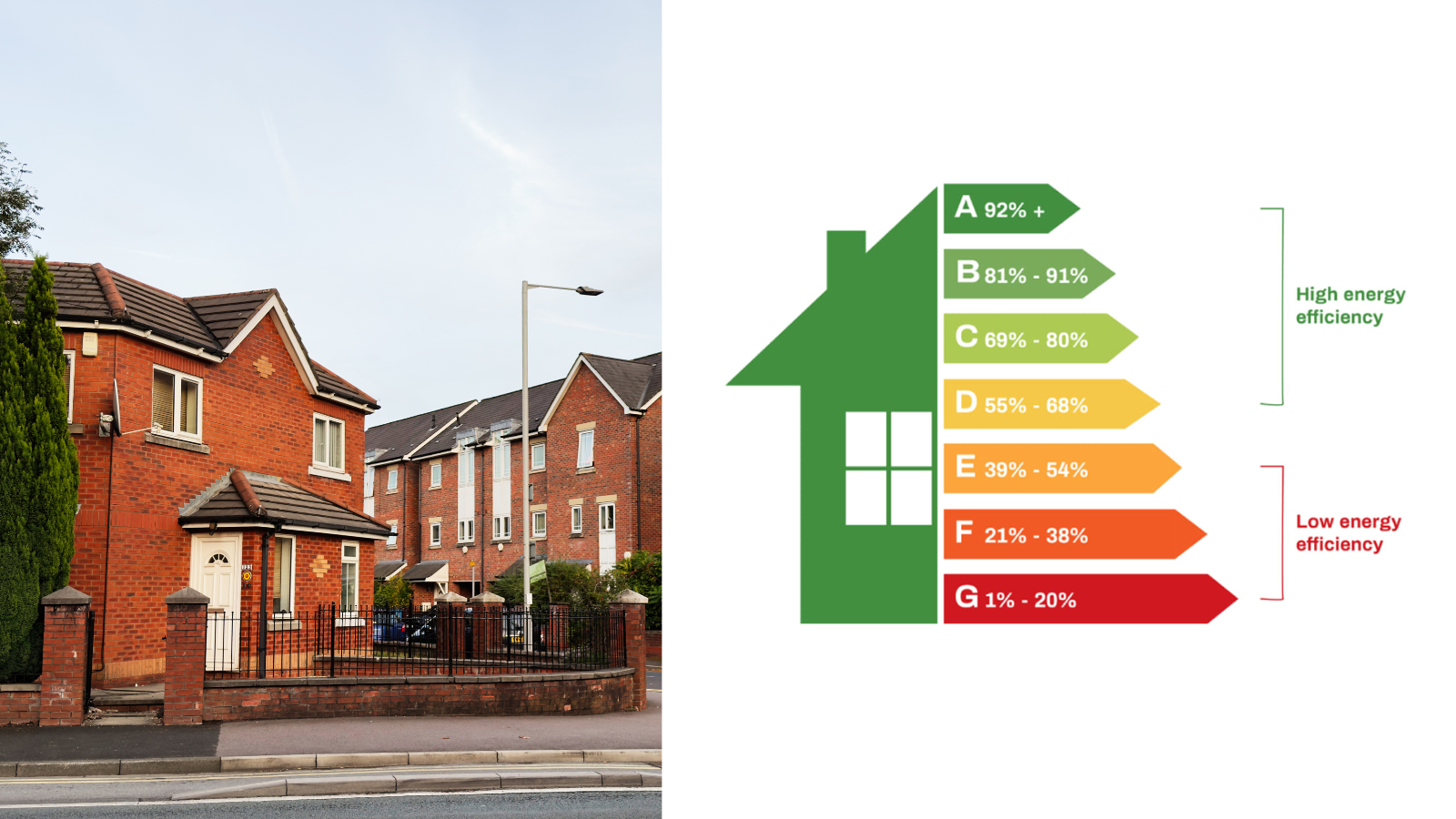
✓ The property has an EPC rating between D to G (EER SAP score of 68 or below)
✓ Your tenant qualifies as low-income (see criteria below)
✓ You're working with your local authority (Rugby Borough Council for Rugby landlords)
✓ You agree not to increase rent as a result of the upgrades⁽³⁾
What you can get:
First property: Fully funded (100% grant coverage)⁽²⁾
Additional properties: 50% landlord contribution required ⁽²⁾
Maximum subsidy per landlord across the entire scheme: £315,000 (Minimal Financial Assistance limit)⁽³⁾
What this means for Rugby landlords:
If you have a tenant on benefits or low income in a property rated D-G, you could get your first property upgraded at no cost. Every additional property after that requires you to pay 50% of upgrade costs.
Important: Your local authority manages this funding. Rugby Borough Council will have specific application windows and limited budget allocation. First-come, first-served applies. ⁽⁴⁾
Grant Route 2: Energy Company Obligation (ECO4)
Who's eligible:
Private tenants (and their landlords) can access ECO4 funding regardless of landlord participation—though landlord cooperation makes the process smoother.⁽¹⁾
Key eligibility:
✓ Tenant receives means-tested benefits or lives in social housing
✓ Property has EPC rating D to G
✓ Measures must be installed by ECO-registered installers
What this means for Rugby landlords:
If your tenant qualifies for ECO4, they can apply directly for upgrades like insulation, heating improvements, and renewable technology. You're not required to contribute, but you do need to grant access for assessment and installation.
ECO4 runs until March 2026, after which it will be replaced or extended—details TBC. ⁽⁵⁾

Grant Route 3: Boiler Upgrade Scheme (BUS)
Who's eligible: ⁽⁶⁾
All property owners in England and Wales, including landlords, can access:
✓ £7,500 grant for air source heat pumps (including air-to-air heat pumps—newly eligible)
✓ £7,500 grant for ground source heat pumps
✓ £5,000 grant for biomass boilers
What you need:
Property must have a valid EPC (no minimum rating requirement)
Work must be carried out by MCS-certified installers
Total installation cost typically £8,000-£14,000 even after the grant ⁽⁷⁾
What this means for Rugby landlords:
Unlike the Local Grant, the Boiler Upgrade Scheme has no income testing and applies to all landlords. If you're upgrading heating systems anyway, this £7,500 grant significantly reduces your out-of-pocket cost.
The scheme has been extended until at least 2030 with a £295 million budget for 2025/2026. ⁽⁶⁾
Who Counts as "Low-Income" for the Local Grant?
This is critical for Rugby landlords considering the Warm Homes Local Grant. Your tenant qualifies as low-income if they meet any of these criteria:⁽³⁾
Benefit recipients:
Universal Credit
Pension Credit
Income Support
Housing Benefit
Child Tax Credit
Working Tax Credit
Employment and Support Allowance (ESA)
Jobseeker's Allowance (JSA)
Or location-based:
Live in areas of high deprivation according to Indices of Multiple Deprivation (IMD)—certain Rugby postcodes may qualify based on local deprivation data
Or referral-based:
Referred by a healthcare professional
Fuel poverty assessment by local authority
Photo by Abacus Property Group
The Rugby-Specific Reality
Let's be honest about how this applies to landlords operating in Rugby and across the West Midlands.
Rugby's housing stock challenge:
Many rental properties in central Rugby—Victorian terraces along Railway Terrace, older properties in Hillmorton, period homes in Dunchurch and Long Lawford—currently sit at EPC D or E ratings. These properties are eligible for grant support, but only if tenants meet income criteria. ⁽⁸⁾
Where Rugby landlords might qualify:
Areas with higher deprivation levels or concentrations of benefit recipients may see more grant eligibility. Properties let to students, families on Universal Credit, or pensioners on Pension Credit are more likely to qualify than properties let to working professionals.
Where you probably won't:
New-build developments like Houlton are typically already EPC C or above—these properties don't qualify. Properties let to higher-income professionals also won't meet tenant income requirements for the Local Grant.
The HMO angle:
If you operate HMOs in Rugby town centre with tenants on benefits or low incomes, you might qualify for the Local Grant on one property—but remember, only the first property is fully funded. Additional HMOs require 50% landlord contribution.⁽²⁾
What's NOT Covered (And Why It Matters)
Here's what Rugby landlords need to understand about the limitations:
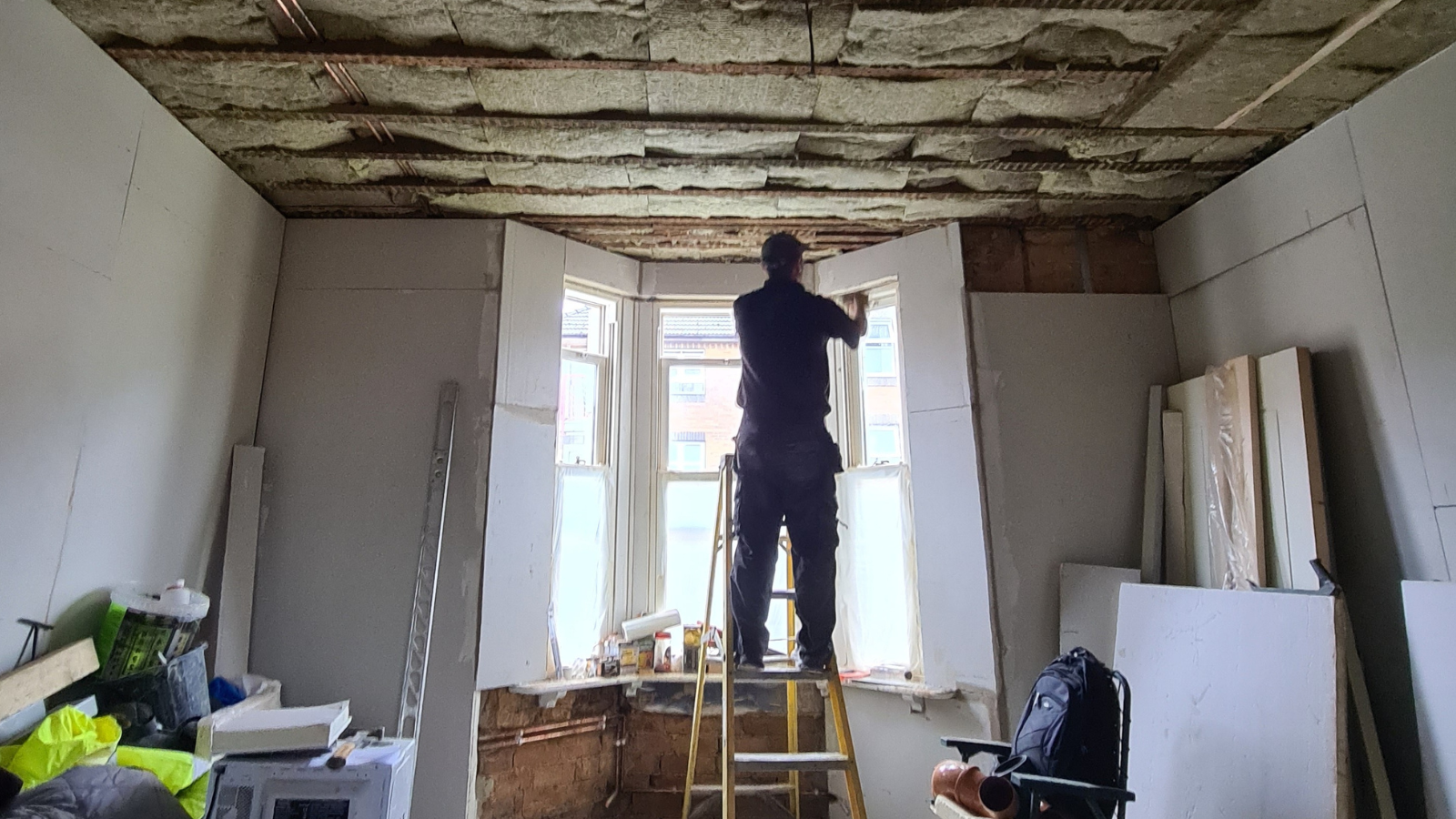
Insulation funding has been scaled back. ⁽⁹⁾ While loft, cavity wall, and solid wall insulation may still be included in grant packages, they're no longer the primary focus. The scheme emphasises solar panels, heat pumps, and battery storage instead.
This is a problem for Rugby's older housing stock. Many Victorian and Edwardian properties in Rugby need wall insulation before renewable technology becomes effective. Installing a heat pump in a poorly insulated terrace can actually increase running costs rather than reduce them.
Window and glazing upgrades aren't prominently featured in current funding announcements, despite being crucial for many older Rugby properties. ⁽⁹⁾

What Rugby Landlords Should Do This Quarter
1. Check your properties' current EPC ratings
If you don't have updated certificates (or they're older than 2 years), get new assessments. You need to know which properties sit in the D-G range to determine grant eligibility.
Cost: £60-£90 per property.
2. Identify which tenants might qualify
Review your tenant profiles:
Who receives benefits?
Who's on low income?
Which postcodes have higher IMD scores?
This determines which properties might be eligible for the Local Grant.
3. Contact Rugby Borough Council
Local authorities manage the Warm Homes Local Grant distribution. Get on Rugby Borough Council's radar now—before application windows open and budgets fill up.
Ask specifically:
When will applications open?
What's the total budget allocation for Rugby?
What measures are they prioritising?
What's the application process?
4. Don't wait for certainty
Grant funding operates first-come, first-served. Landlords who've built relationships with local authorities and have applications ready will secure funding first. Those waiting for "more information" will be scrambling with everyone else.
5. Model scenarios with and without grants
Even if you don't qualify for grants, the 2030 EPC C requirement (with a £10,000 cost cap and affordability exemptions) still applies. ⁽¹⁰⁾ Run the numbers on whether upgrading makes commercial sense regardless of grant support.
(See our full analysis on the business case for upgrading: Why Smart Rugby Landlords Are Already Upgrading to EPC C)
6. Consider the Boiler Upgrade Scheme separately
If you're replacing heating systems anyway, the £7,500 BUS grant has no income testing and applies to all landlords. This is the most accessible grant for Rugby landlords who don't meet Local Grant criteria. ⁽⁶⁾

The Abacus Approach: Honest Assessment, Strategic Planning
We've delivered 26 projects worth £5.8 million across the West Midlands because we focus on realistic grant eligibility, not wishful thinking.
Our approach:
Eligibility assessment: We review your portfolio property-by-property to identify which properties and tenants actually qualify for grant support.
Local authority liaison: We help navigate Rugby Borough Council's application process and timelines for the Warm Homes Local Grant.
Grant application support: Where eligibility exists, we handle the paperwork and compliance requirements.
Strategic planning regardless of grants: We model upgrade costs and ROI with and without grant funding, so you make informed decisions based on commercial reality, not grant dependency.
Realistic expectations: If you don't qualify for grants, we'll tell you straight—and help you assess whether upgrading still makes sense for your specific properties and investment strategy.

The Bottom Line for Rugby Landlords
Yes, grants exist. But eligibility is limited, and most Rugby landlords will only qualify for partial support—if they qualify at all.
The Warm Homes Local Grant offers the most substantial funding (first property fully funded), but requires low-income tenants and properties rated D-G. The Boiler Upgrade Scheme is more accessible but only covers heating systems. ECO4 depends on tenant eligibility and operates separately from landlord control.
The strategic question isn't "Can I get a grant?" It's "Does upgrading make commercial sense for my Rugby properties whether grants materialise or not?"
For some landlords, grants will tip the balance toward upgrading now. For others, the business case exists independently of grant support. And for some properties, upgrading won't make sense regardless—and selling might be the better option.
Want to know if your Rugby properties actually qualify for grant support? Contact Abacus Property Group for a realistic eligibility assessment. We'll review your portfolio, tenant profiles, and EPC ratings to determine which properties might access funding—and what your actual upgrade path looks like with or without grants.
Over 6 years, 26 projects, and £5.8 million in client delivery, we've learned that successful landlords plan based on reality, not headlines.
References
⁽¹⁾ UK Government. (2026). "Families to save in biggest home upgrade plan in British history." GOV.UK, 21 January 2026.
⁽²⁾ Warm Home Plan. (2024). "Warm Homes Plan: Eligibility Criteria." Private landlords may receive one home fully funded; 50% contribution required for additional properties.
⁽³⁾ UK Government. (2025). "Warm Homes: Local Grant Policy Guidance for Local Authorities." Department for Energy Security and Net Zero, June 2025.
⁽⁴⁾ UK Government. (2025). "Improving the energy performance of privately rented homes: consultation document." Approximately £1bn made available for 2025-2026.
⁽⁵⁾ Energy Saving Trust. (2024). "Energy Company Obligation (ECO)." ECO4 scheme runs until March 2026.
⁽⁶⁾ Ofgem. (2025). "Boiler Upgrade Scheme (BUS)." £7,500 grants for heat pumps; extended until at least 2030 with £295 million budget for 2025/2026.
⁽⁷⁾ Property118. (2026). "Government unveils £15bn Warm Homes Plan with new duties for landlords." Analysis of heat pump installation costs and grant coverage.
⁽⁸⁾ UK Government. (2025). "English Housing Survey 2023 to 2024: drivers and impacts of housing quality." Dwellings built before 1919 were more likely to be non-decent (35% in private rented sector) and had higher EER ratings below D (57%).
⁽⁹⁾ Elmhurst Energy. (2026). "Warm Homes Plan revealed." Analysis notes plan "tilts Britain's homes upgrade spending away from insulation and towards technologies such as solar panels."
⁽¹⁰⁾ Travers Smith. (2026). "The Warm Homes Plan: clarity at last for residential landlords." Cost cap increased to £10,000 with affordability exemptions; October 2030 deadline confirmed.